
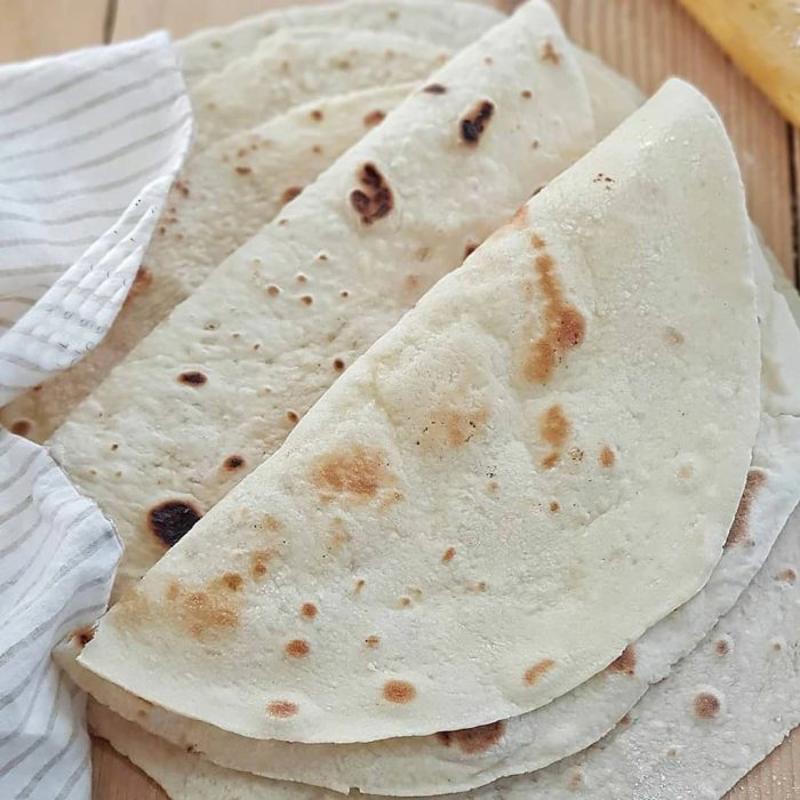
Thin Lavash Bread
- Seller NameArman Karimi
- LocationLocation not specified
- Sales Volume1 kg
- Minimum Sales Volumekg 1
- Last Price UpdatePer kg
- 263 days ago4 USD
- Product Rate4.0 / 5
Request for Quotation
Contact Number

Arman Karimi
Featured Seller Not Verified
Business Description
Seller: Arman Karimi. Contact us for quality products and professional service.
View ProfileIntroduction to Thin Lavash Bread
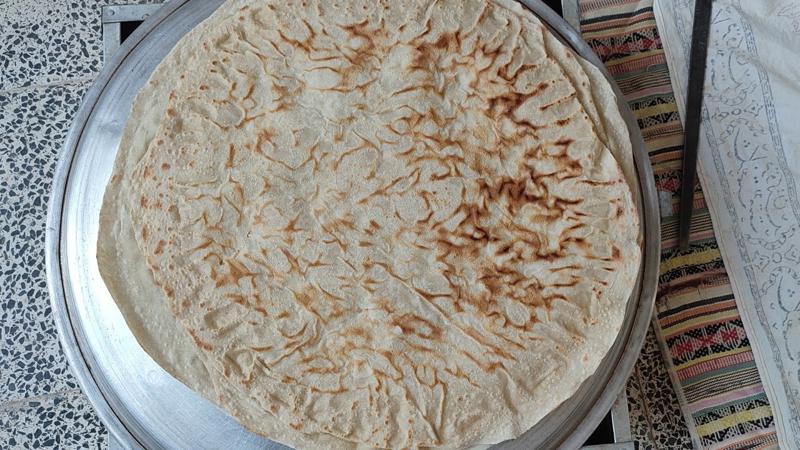
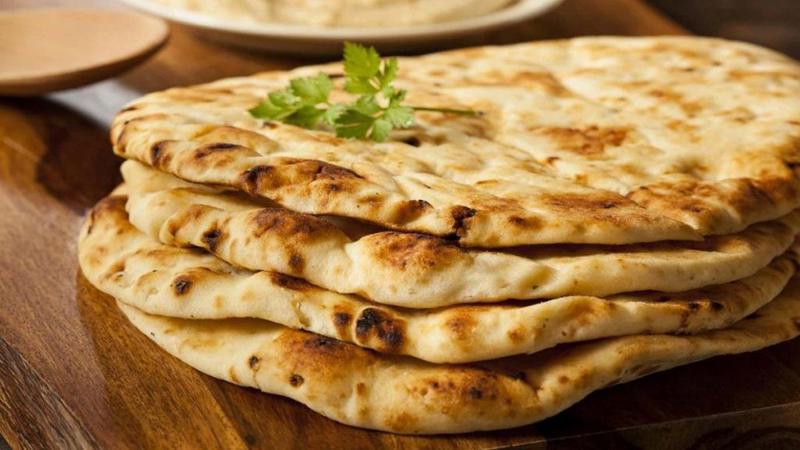
Thin lavash bread is one of the oldest and most widely consumed traditional breads in Iran, with deep roots in the culinary culture of various regions of the country. Due to its thinness, delicate texture, and ease of consumption, it holds a special place on Iranian tables. Thin lavash bread is typically baked in large circular or oval shapes and exhibits high flexibility after baking. Its popularity stems from its quick baking time, good shelf life when stored properly, and versatility with various dishes.
Properties of Thin Lavash Bread
When made with high-quality flour, thin lavash bread can be part of a balanced diet. It contains fewer calories per serving compared to thicker breads, making it a suitable option for those mindful of weight control. If whole-wheat or semi‑whole‑wheat flour is used, it provides more fiber, which aids digestive function. Lavash bread is also a source of complex carbohydrates that supply the body’s daily energy needs.
Uses of Thin Lavash Bread
The uses of thin lavash bread are highly diverse. It is widely consumed alongside traditional dishes such as kebabs, ābgusht (Iranian stew), various khoresh (stews), and with cheese and herbs. It is also used in more modern foods like sandwiches, rolls, wraps, and even lavash chips. Its thinness and flexibility have made it popular in the food industry and restaurants, as it can be easily shaped and does not overpower the flavor of other ingredients.
What Flour is Used for Thin Lavash Bread?
The flour for thin lavash bread is usually made from soft or semi‑hard wheat, and its bran content can vary depending on the type of bread. The flour should have balanced gluten so that the dough can be rolled out easily without breaking after baking. Common choices include white bakery flour, “setare” flour, or special flatbread flour. The quality of the flour plays a crucial role in the bread’s tenderness, color, and shelf life.
Purchasing Thin Lavash Bread for Export
The purchase of thin lavash bread for export has increased significantly in recent years. Neighboring countries and some European and Asian markets, due to their familiarity with Middle Eastern cuisine, are demanding this product. For export, lavash bread must meet required standards in terms of hygiene, packaging, uniform thickness, and shelf life. Using durable and hygienic packaging, including product information and production dates, and complying with international standards are key factors for successful export of thin lavash bread.
| Brand | 100 |
| Weight | 1 kg kg |
| Packaging | Plastic |
| Halal | Yes |
| Organic | Yes |
| Flour Type | White |
| Baked Today | Yes |
LoginToLeaveComment
LoginToComment
100% % of buyers recommend this product
Ask a question about this product
Questions & Answers
No questions asked yet.

3 comments
شرایط ارسال چطوریه؟ بسته بندی و محدودیت های مکانی
سفارش تعداد بالا میگیرید؟
سلام نان ها تازه اس؟